Paga becomes first African pilot for Jamaican community tourism programme
The Jamaican-based Countrystyle Community Tourism Network launched its Royal Community Tourism Development Program in Paga on 20 October 2026, with identity centres, truth museums and a 2027 diaspora visit among its announced plans.
By Ernest · 23 October 2026
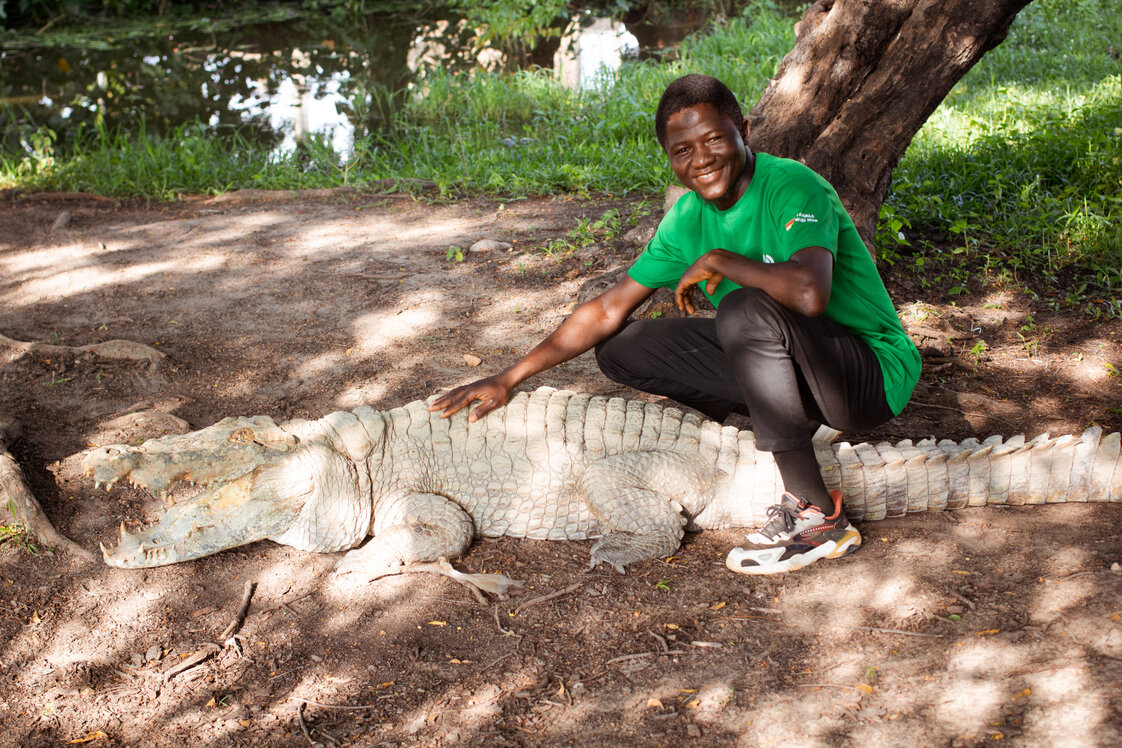
Paga, a border town in the Kassena-Nankana West District of Ghana's Upper East Region, has become the first African pilot site for a Jamaican community tourism programme. The Royal Community Tourism Development Program was launched at Paga Town Park on Tuesday, 20 October 2026, by the Countrystyle Community Tourism Network, a Jamaican-based tourism organisation, under its "Villages as a Business Model" approach.
The launch brought a two-person Jamaican delegation - the Network's chairman, tourism entrepreneur Roy Page, and senior architect Jason Stone - together with the chiefs and people of Paga and the Paga Youth Movement. The initiative is championed by the Network's African ambassador, Dr Prince Tengol Klepmani, and follows feasibility studies and engagements with traditional authorities and community members.
What the programme plans
These are the organisers' announced plans, not confirmed outcomes:
- Identity centres showcasing the history, culture and heritage of participating communities, including what the organisers call "Royal Truth Museums" to preserve and present local stories.
- The "Know Thyself" Africa-Caribbean initiative, intended to promote cultural and business exchanges between Paga and members of the African diaspora, particularly in the Caribbean, Europe and the Americas.
- A diaspora visit: the organisers say about 100 Jamaicans are expected to visit Paga in 2027 to reconnect with their African heritage and build personal, cultural and business relationships. No dates or arrangements for that visit have been announced.
The broader goal, according to the Network, is to turn communities with tourism potential into business and investment destinations, creating economic opportunities for residents.
Who the delegation met
During their northern Ghana visit, the delegation paid homage to the Buipewura, Abdulai Jinapor II, Paramount Chief of the Buipe Traditional Area and Vice-President of the National House of Chiefs. The team also engaged the Upper East Regional Minister, Akamugri Donatus Atanga, who pledged government support, and the Ghana Tourism Authority's Upper East regional office, led by Joseph Appiagyei. Other traditional authorities visited included the Bongo Naba, Naba Baba Salifu Atamale Lemyaarum; the Navro-Pio, Pe Aneakwoa Balinia Adda Asagpaare II; and the host chief, Paga Pio Charles Awiah Awampaga II, Paramount Chief of the Paga Traditional Area.
What there is to see in Paga
The Ghana Tourism Authority's regional office and the Paga Youth Movement led the delegation around the area's main attractions - the same stops a visitor can make:
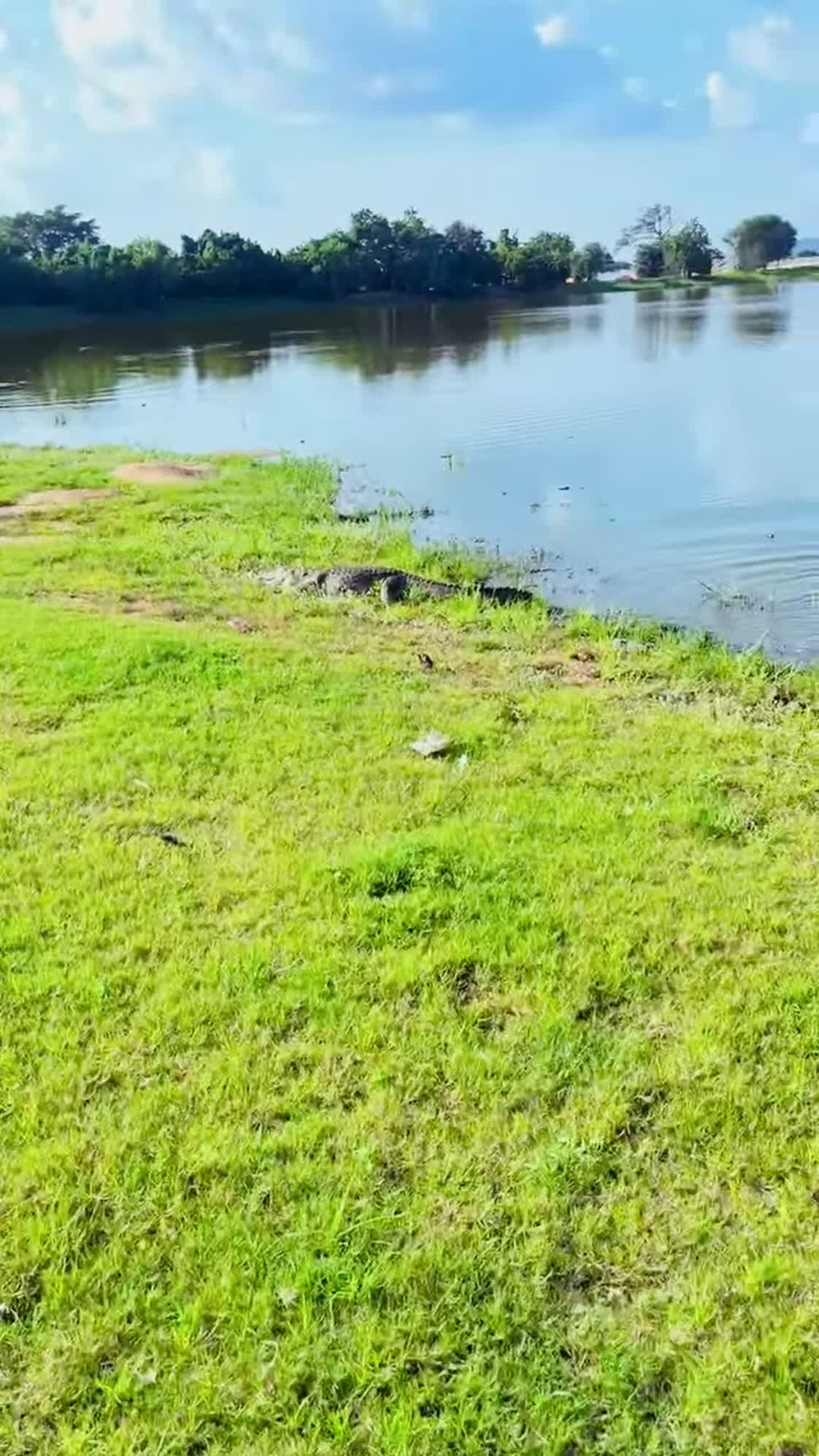
- The crocodile ponds. Paga's two major ponds, the Chief Pond and Zenga Pond, are famous for crocodiles that residents regard as sacred. Guided visits allow people to see them up close; the town's relationship with the animals is its best-known attraction.
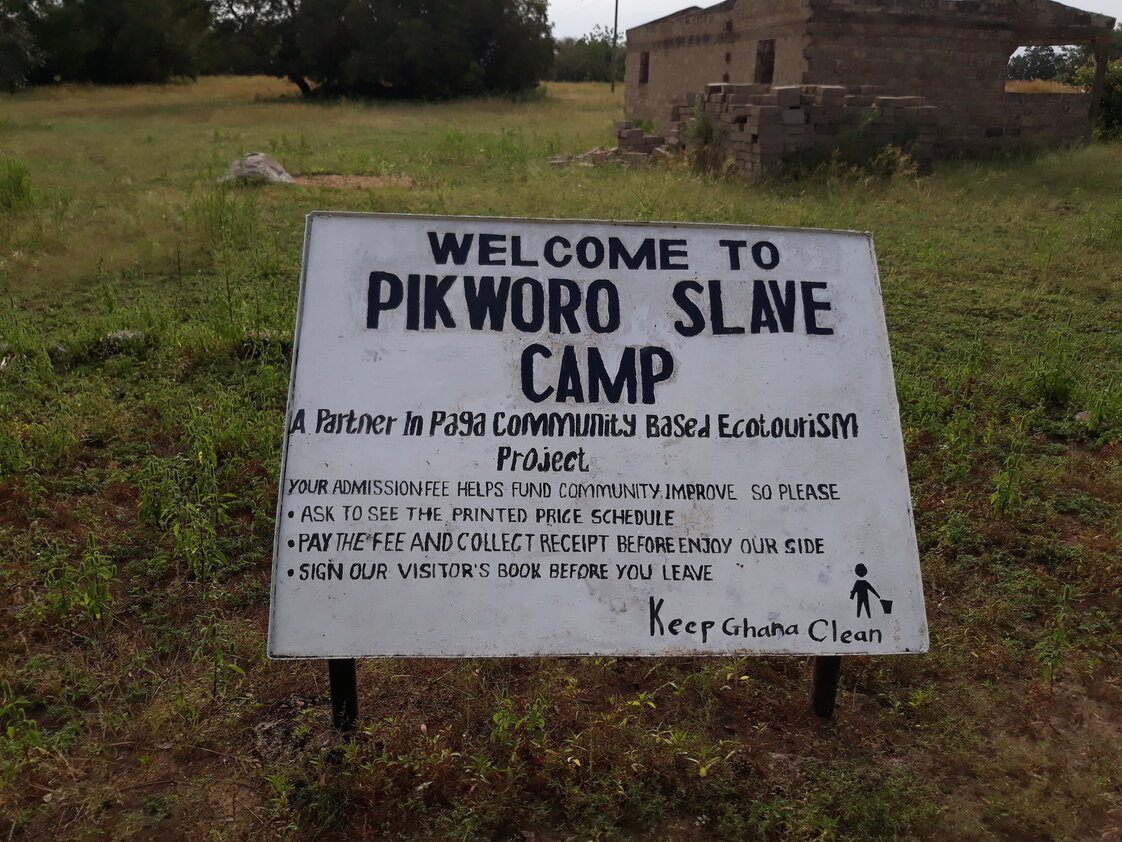
- Pikworo Slave Camp. A short distance from Paga, Pikworo is a heritage site where captives were held from the late 18th century before being forced onward to the coast. It is a place of memory - stone bowls, holding areas and a camp layout that local guides explain - and it anchors the region's connection to the history the diaspora programme invokes.
- The Ghana-Burkina Faso border. Paga sits directly on the border, with a busy crossing and market trade.
- The Upper East Regional Museum in Bolgatanga, the regional capital south of Paga.
Why it matters for the diaspora
Paga is far from Ghana's usual visitor circuit of Accra, Cape Coast and Kumasi. If the programme delivers on its plans, it would put structured heritage tourism - community-run, with local businesses at the centre - on the map in the Upper East, and give diaspora visitors a northern route built around history and community rather than a day trip. For now, what exists is a launched pilot and announced intentions; the test is what gets built before the promised 2027 visit.
Sources: MyJoyOnline, DailyGuide and 3news, 23 October 2026. Programme details and the 2027 visitor figure are the organisers' announcements as reported; the Ghana Tourism Authority and traditional authorities were engaged but the programme is a private Jamaican-based initiative, not a government scheme.